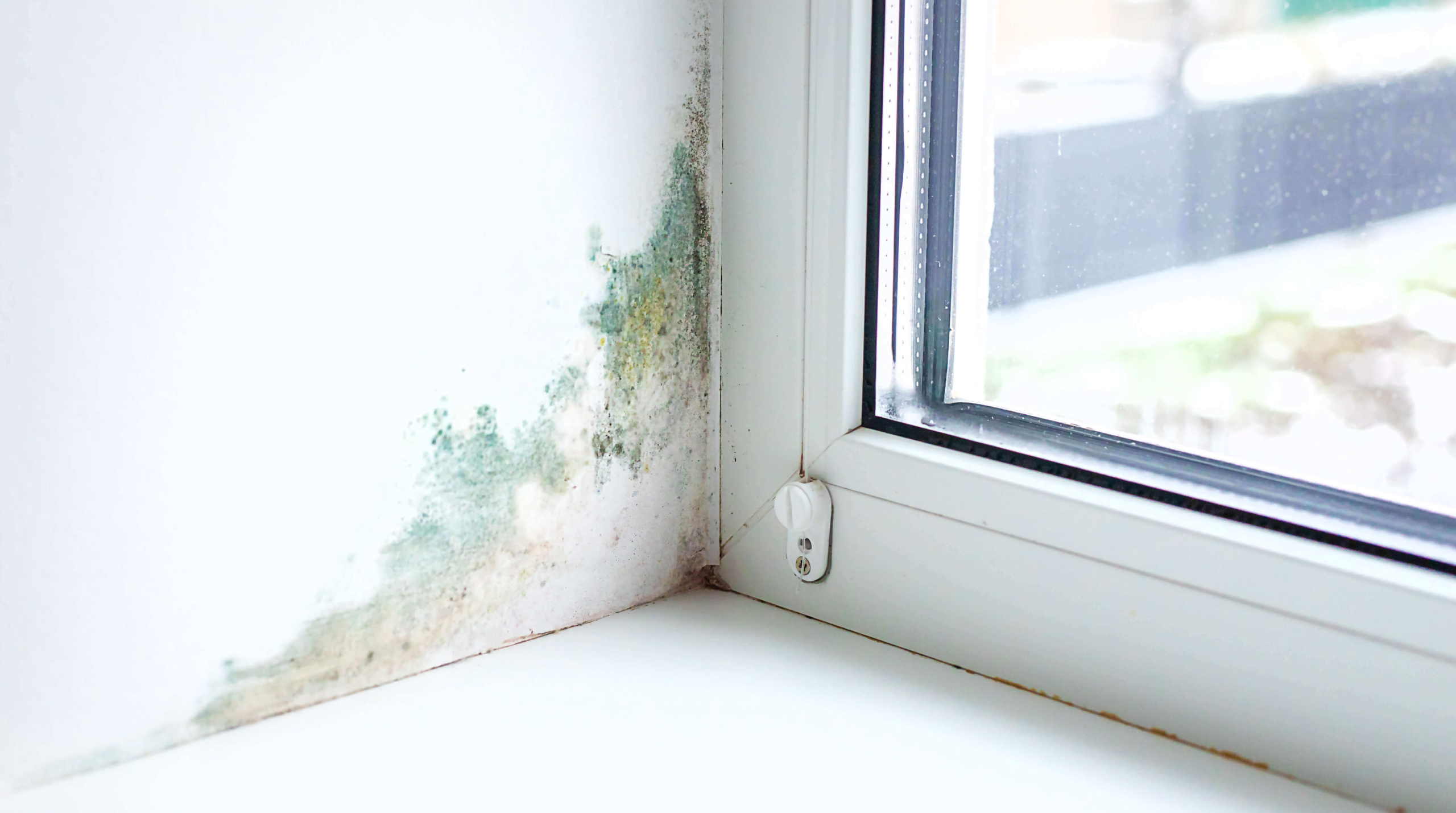
Introduction – The Repair Clock Is Ticking
In 2020, two-year-old Awaab Ishak died from a respiratory condition caused by mould in his family’s home.
His tragic death sparked a national outcry — and now Awaab’s Law has been written into the Renters Rights Bill 2025.
This law imposes strict repair deadlines for hazards like damp and mould. Miss those deadlines, and you’re not just facing fines — you could be taken to court.
It’s no longer “fix it when you can” — it’s fix it now.
What Awaab’s Law Requires
Under the new legislation:
- Landlords must investigate hazards within a set timeframe (currently proposed at 14 days).
- Repairs to serious hazards must be completed within strict deadlines (often within 7–14 days after inspection).
- Applies to both private and social landlords.
- Non-compliance can trigger legal action, compensation orders, and regulatory enforcement.
Why This Should Alarm You
- The Clock Starts the Moment a Complaint Is Made
Even if a tenant reports mould by text, your responsibility begins immediately. - Evidence Is Everything
If you can’t prove you acted within the timescale, you’re already guilty in the regulator’s eyes. - Tenant Reports = Legal Triggers
Tenants can escalate directly to the ombudsman or council if deadlines aren’t met. - Portfolio-Wide Risk
One missed repair could prompt wider inspections of all your properties.
Case Study: The £9,000 Mould Misstep
A property manager in the South missed the 14-day hazard investigation deadline for mould in a tenant’s bedroom.
The tenant escalated:
- Ombudsman involvement within 3 weeks.
- Compensation: £1,500 to the tenant.
- £7,500 in legal costs and repair works.
Total cost: £9,000 — all for missing an initial response deadline.
Your Action Plan for Awaab’s Law Compliance
1. Log Every Complaint Immediately
- Whether it’s a phone call, email, or verbal mention — record it.
- Assign a job reference and confirm receipt to the tenant.
2. Investigate Within the Deadline
- Send a qualified inspector within the legal timescale.
- Document findings with timestamped photos.
3. Prioritise Hazard Repairs
- Damp, mould, and structural safety hazards move to the top of your maintenance list.
- Delay other non-urgent jobs until hazards are fixed.
4. Keep Evidence of Action
- Store contractor invoices, before/after photos, and tenant confirmation of works.
- Use a system like Inspect360 to automatically date-stamp evidence.
5. Train Your Team and Contractors
- Everyone in your organisation must know the repair timeframes.
- Contractors should understand that late completion = legal exposure.
How This Links to the CRCM Course
In Module 8: Decent Homes Standard & Awaab’s Law of the Certified Rental Compliance Manager course, you’ll learn:
- The exact repair timescales under Awaab’s Law.
- How to build a hazard-response system that never misses a deadline.
- How to use inspection tools to log, track, and evidence every repair.
- How to defend against tenant claims in tribunals and ombudsman cases.
Bottom Line
Awaab’s Law is not a gentle nudge — it’s a strict legal mandate backed by public outrage and political pressure.
✅ Log complaints immediately.
✅ Investigate and repair within deadlines.
✅ Keep evidence watertight.
Miss a deadline, and you could be in front of a tribunal — or worse, in the headlines.

Stay Compliant with the Renters Rights Bill – Become CRCM Certified
Learn the rules. Avoid the fines. Protect your rental business.