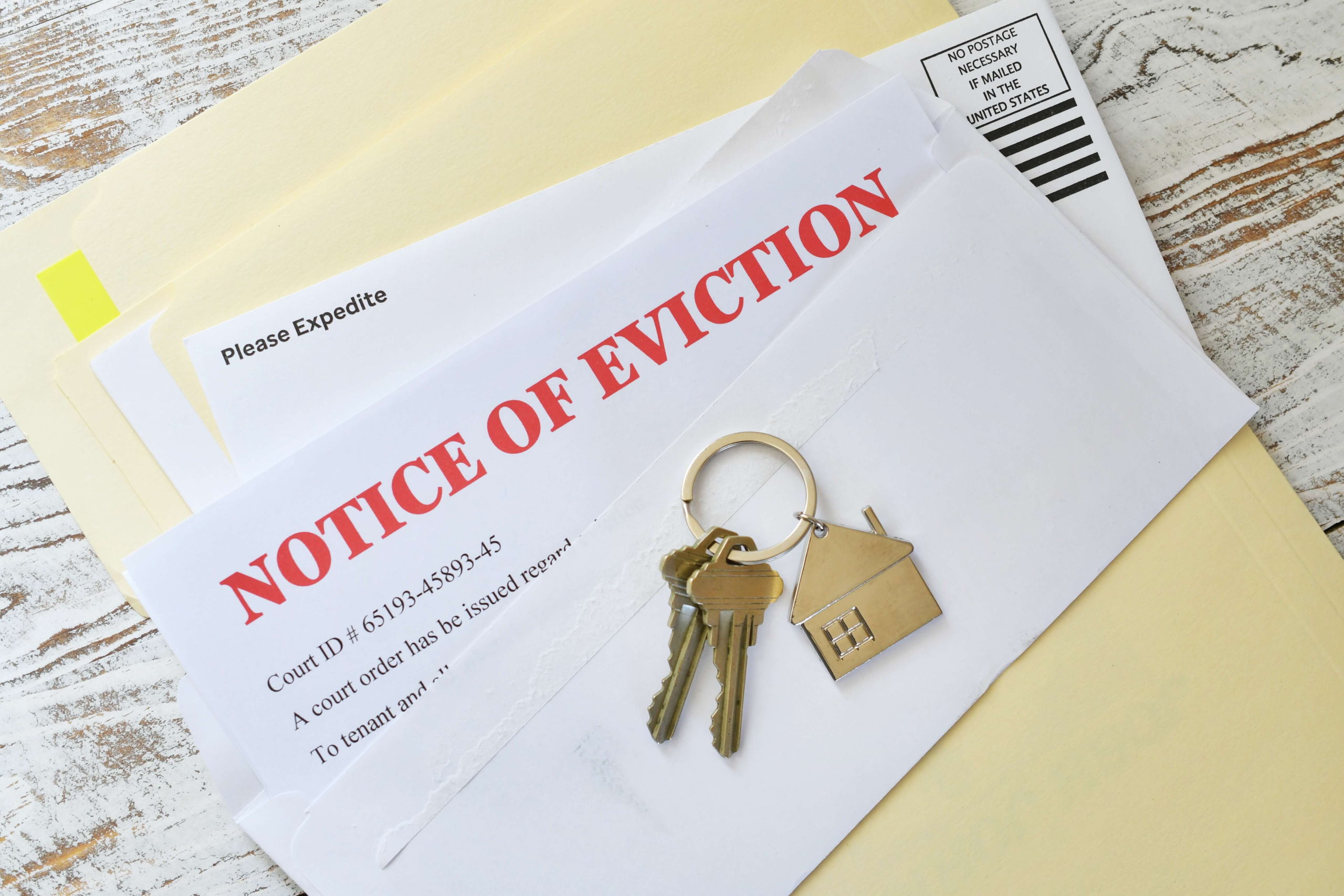
Introduction – The Rule That Changes Everything
Imagine this:
You sign a tenancy with a new tenant in January. By March, they’ve already stopped paying rent, ignored your calls, and left a trail of damage in the property.
Your instinct? Serve notice, regain possession, cut your losses.
Under the Renters Rights Bill 2025, that’s no longer an option. The 12-month eviction rule means you’re locked in for a full year before you can legally evict, no matter how bad things get, unless there’s a very narrow legal reason.
That’s not a nightmare scenario. That’s the law.
And for landlords, property managers, councils, BTR operators, and housing associations, misunderstanding this could cost you thousands.
What Is the 12-Month Eviction Rule?
The Renters Rights Bill introduces a new framework designed to strengthen tenant security. For new tenancies, you cannot evict a tenant for the first 12 months unless there’s a serious breach that falls under the limited exceptions.
Key Takeaways:
- Applies to all new tenancies starting after the Bill is enacted.
- Standard possession grounds cannot be used until 12 months have passed.
- Exceptions include severe anti-social behaviour, major property damage, or safety risks, but these require strong evidence.
Why This Should Terrify Landlords and Property Managers
The danger isn’t just the law, it’s how easy it is to trip over it.
- You inherit risk without knowing it
New tenant, unverified history, looks fine on paper… until they don’t. - Cashflow collapses quickly
One bad tenant at £1,200 per month = £14,400 loss over a year. - Repairs spiral
Without control over possession, you could be funding repairs while rent goes unpaid. - Tribunal costs stack up
Defending a possession claim early without watertight evidence could cost more than the lost rent.
Common Misunderstandings About the 12-Month Rule
Myth 1: “If they don’t pay, I can still evict.”
Truth: Not within 12 months unless it meets strict legal criteria.
Myth 2: “This only applies to private landlords.”
Truth: Housing associations, councils, and BTR operators are included.
Myth 3: “It won’t affect me — I have good tenants.”
Truth: All it takes is one bad tenancy to cause financial and reputational damage.
Case Study: The £21,000 Mistake
A mid-sized property management firm in Manchester took on a tenant without deep referencing (to speed up occupancy).
Month 3 — rent stopped.
Month 5 — police called for anti-social behaviour, but no official case.
Month 7 — property damage estimated at £8,000.
Because none of the breaches met the immediate eviction grounds, they couldn’t act until the 12-month mark.
Total cost:
- £13,000 in lost rent
- £8,000 in repairs
- Tribunal fees and reputational loss.
Your Action Plan to Avoid the Eviction Trap
Here’s how CRCM-certified property managers are preparing:
1. Pre-Tenancy Risk Elimination
- Enhanced referencing: Include employer checks, credit history, previous landlord verification.
- Pre-tenancy inspections: Document property condition to protect against damage disputes.
2. Tight Lease Clauses
- Include behavioural clauses that align with the exceptions to the 12-month rule.
- Ensure clauses reference specific legal grounds for possession.
3. Evidence Systems
- Use inspection software like Inspect360 to timestamp photos, videos, and maintenance requests.
- Keep communication logs in a structured compliance folder.
4. Immediate Action on Breaches
- For anti-social behaviour or safety issues, collect police reports, witness statements, and photo evidence.
- Notify tenants in writing of every breach — it builds your case.
5. Staff & Contractor Training
- Train every staff member on recognising breach triggers.
- Ensure contractors know how to document issues correctly.
How This Links to the CRCM Course
In Module 1: Eviction Rules & Procedures of the Certified Rental Compliance Manager course, we break down:
- How to legally navigate the 12-month eviction rule.
- How to prepare tenancy agreements that give you maximum protection.
- How to build evidence that wins tribunal cases.
- How to integrate AI tools like Inspect360 to automate inspection evidence.
By the end of the module, you’ll know exactly what to do before, during, and after a high-risk tenancy to stay compliant and protect your income.
Bottom Line
The 12-month eviction rule isn’t just a change in law — it’s a complete shift in power.
Landlords and property managers who ignore it will find themselves trapped with tenants they can’t remove, bleeding cash, and facing escalating disputes.
The ones who prepare now will:
✅ Keep their properties profitable.
✅ Avoid unnecessary tribunals.
✅ Build stronger tenant relationships.

Stay Compliant with the Renters Rights Bill – Become CRCM Certified
Learn the rules. Avoid the fines. Protect your rental business.